When you follow industrial hemp from a single seed packet to a finished consumer product, you see a supply chain that mixes agriculture, chemistry, logistics, and law. The crop behaves like a grain one season and like a textile or chemical feedstock the next. Decisions made at planting ripple forward for months, so growers, processors, and buyers who understand those ripple effects capture value and avoid costly surprises.
seed selection and early decisions
Seed is where the supply chain starts, and the choice matters more than most outsiders realize. Hemp varieties differ by cannabinoid profile, fiber quality, seed yield, and days to maturity. Some cultivars produce high cannabidiol content, others produce long, strong bast fibers suitable for rope or composites, and a third group yields oilseed with a favorable fatty acid profile for food and cosmetics.
Regulatory constraints shape the decision. In many jurisdictions, industrial hemp must test below a defined THC threshold, commonly 0.3 percent on a dry weight basis, though some places use different limits. That requirement forces a trade-off: the highest-CBD genetics often sit closer to the THC limit and can, under stress or late harvest, exceed it and be classified as marijuana under law. Farmers I know choose varieties with a safety margin, sacrificing a few percentage points of CBD yield to reduce the risk of crop loss.
Early choices include planting density and row spacing. For fiber, dense planting with narrow rows encourages tall, slender stalks and fewer branches, improving bast fiber yield and strength. For grain or dual-purpose cropping, wider spacing helps branching and seed set. Planting date matters too; hemp follows photoperiods, so latitude and local climate determine when flower initiation occurs. In a clime with a short growing season, plant early-maturing varieties or accept lower stalk height.
field operations and agronomy
Hemp can be resilient but it is not a weed. It needs fertility, water management, and pest control tailored to the end use. For fiber production, nitrogen drives stalk growth. For seed, balanced N, P, and K plus calcium and boron improve seed set. Irrigation changes the economics: supplemental water increases yield consistency but raises costs and can complicate state-level definitions of hemp as non-irrigated in some subsidy programs.
Weed pressure is often the most limiting factor in the first six weeks after emergence. Chemical control options are narrower than for commodity row crops because of limited registered herbicides, so growers often rely on cultivation and cover crops. Integrated pest management fits hemp well; scouting, pheromone traps, and targeted treatments keep foliar pests like aphids and caterpillars below damaging thresholds. Fungal diseases such as botrytis and fusarium can hit late in dense canopies, especially in humid conditions, so canopy management and timely harvest planning are important.
harvest timing and initial handling
Timing is crucial. For CBD extraction, harvest when inflorescences have peak cannabinoid content, usually when trichomes appear cloudy and before significant seed set. For fiber, retting is the critical step and harvest occurs when bast fibers have matured but before too much lignification. For grain, wait until seed moisture drops to safe storage levels, often below 10 to 12 percent.
Moisture control matters at harvest. Too-wet material invites mold and mycotoxins. Too-dry, and delicate flowers crumble during handling, reducing extractable oil and increasing fines. Many operations separate the aerial biomass from seed and stalk at harvest, routing each stream to different processors.
preprocessing and retting
Preprocessing shapes yield and product quality. For fiber, retting separates the bast from the hurd. Options include dew retting, water retting, enzymatic retting, and mechanical processes. Dew retting is low-tech and cost-effective in suitable climates, but weather dependency and variability in fiber quality can frustrate downstream users. Water retting yields more consistent fiber but needs wastewater management and can be capital intensive. Enzymatic retting offers precision but adds chemical cost.
Mechanical decortication reduces reliance on retting but requires precise control to avoid damaging fibers. For grain, cleaning, drying, and dehulling add value. For cannabinoid-rich flower, drying and curing are analogous to tobacco or hops; slow, controlled drying preserves terpenes and minimizes chlorophyll off-notes in extracts.
processing options and value chains
Hemp can feed multiple industrial ecosystems. The main pathways are fiber, grain, and cannabinoids, but these intersect. A single harvested field may be fractionated: flowers and leaves go to extraction for CBD or other cannabinoids, seeds go to oil pressing and protein meal, and stalks go to fiber processing for textiles, paper, or construction materials.
Extraction methods vary by capital intensity and product goals. CO2 supercritical extraction yields solvent-free concentrates and retains thermolabile compounds when properly tuned, but the equipment costs are high and throughput limited. Hydrocarbon extraction, typically butane or propane, provides efficient terpene capture and high yields for certain oil profiles, but it requires explosion-proof facilities and careful solvent removal. Ethanol extraction is common at commercial scale, cheaper to implement than CO2, and scalable for high-volume crude production, but co-extracts more polar compounds and requires winterization and polishing steps.
Refining crude extract into isolates, distillates, or full-spectrum oils involves winterization, filtration, short-path or wiped-film distillation, and sometimes chromatography. Chromatographic THC removal may be necessary to meet regulatory limits in finished products, but it adds cost and sometimes diminishes desirable minor cannabinoids and terpenes. Many processors face trade-offs between producing a high-purity isolate with broad market recognition and offering full-spectrum extracts that claim entourage benefits.
testing, compliance, and traceability
Testing sits at the center of compliance and quality assurance. Raw material testing for THC concentration is mandatory in many jurisdictions, often at multiple points: pre-harvest, post-harvest, and before processing. Labs must use validated methods, usually gas chromatography or liquid chromatography with proper calibration. Given natural variability within fields and between plants, sampling strategy is as important as analytical method. Composite samples from many plants reduce the chance of false positives or negatives, but regulators sometimes require different sampling protocols.
Beyond THC, tests for pesticides, heavy metals, microbial contaminants, and mycotoxins protect consumers and market access. For edible or topical hemp products, residual solvents and solvent byproducts are also tested. Traceability systems that link batches to seed lots and to field records provide an auditable chain of custody and facilitate recalls if necessary. Many operations use QR-coded batch labels and cloud-based tracking to connect harvest lots through processing steps.
logistics and storage
Hemp material is bulky. Fiber bales and biomass require substantial storage area and secure handling to prevent theft or degradation. Biomass for extraction should be processed or dried within days to prevent mold. Seed and pressed oil require dry, cool storage. Shipping hemp materials across state or national borders introduces legal complexity; some jurisdictions require phytosanitary certificates or proof of compliance with THC limits. Intermodal transport of hemp fiber to textile mills is sensitive to crush damage and humidity.
Cold chain logistics matter for high-end flower destined for vaporizer or edible markets because terpene volatility and cannabinoid degradation accelerate at higher temperatures. Processors often invest in refrigerated trucks and cold rooms for short-term storage. For long-distance shipment of crude extracts, proper packaging to prevent oxidation and light exposure preserves cannabinoid and terpene profiles.
quality control and product specification
A supplier who can deliver consistent specifications commands higher prices. Specification sheets typically list cannabinoid profile, moisture, particle size, microbial load, pesticide screen, heavy metals, and residual solvent limits. Consistency requires tight process control from cultivation through extraction. In practice, processors establish acceptable ranges and work with growers to adjust agronomy to meet end-use targets.
Third-party certifications can open markets. Organic certification appeals in food and cosmetic sectors but requires segregated handling and certified inputs. ISO or GMP certifications reassure major brands and distributors, particularly for ingestibles. Certification is expensive and operationally demanding, but it reduces friction with retailers and regulatory bodies.
manufacturing and product formulation
Finished products range from textiles to bioplastics to functional foods and CBD tinctures. Formulation choices determine shelf life, bioavailability, and regulatory classification. For cannabinoid products intended for oral absorption, formulators consider carrier oils, emulsions, liposomal delivery, and nanoemulsions. Each approach has trade-offs between stability, manufacturing complexity, and perceived efficacy. A liposomal formulation may offer better absorption in controlled trials but costs more to produce and requires specialized equipment and stability testing.
In textiles, fiber processing steps that remove lignin and align bast fibers influence tensile strength and hand feel. Hemp-linen blends commonly mimic familiar fabrics while preserving hemp's environmental credentials. In construction, hempcrete mixes require precise particle size and binder ratios to achieve thermal and structural properties. Contractors and architects want repeatable material properties; inconsistency in hemp fiber or hurd supply makes specification difficult unless the supply chain is vertically integrated or tightly coordinated.
markets, pricing, and risk management
Market demand determines which segment pays most at a given time. In recent years, cannabinoid extracts commanded high margins but faced regulatory and oversupply volatility. Fiber markets are more stable but lower margin, often tied to long-term contracts with mills or composite manufacturers. Seed and oil markets occupy a middle ground, influenced by food industry interest and commodity oil prices.
Price discovery varies. Spot markets exist for biomass and crude extracts, but many buyers prefer forward contracts to lock in volume and manage regulatory risk. Farmers often hedge by agreeing to supply agreements that include quality penalties or bonuses. A grower I worked with accepted a lower base price in exchange for a guaranteed buy-back and shared processing costs, which smoothed cash flow and avoided the risk of being shut out of sales at harvest.
Regulatory changes create significant risk. A shift in THC limits, or the introduction of new pesticide restrictions, can render stored inventory unsellable. Diversification across multiple end uses and maintaining robust testing and traceability systems reduce exposure.
sustainability and circularity
Hemp often appears in sustainability conversations because it yields fiber, seed, and biomass usable across industries and grows on marginal lands with relatively low inputs. But sustainability is not automatic. Water and fertilizer use can be significant in high-yield systems. Waste streams from extraction and retting require management. Valorizing all streams improves sustainability: seed meal becomes animal feed or protein isolates, fibers feed textile and composite markets, and residual biomass can be converted to biochar or used for energy.
Case study: a midwestern cooperative separated hemp biomass into three streams. Flowers went to a regional extractor, seeds to an oil press that produced culinary oil and protein meal for local bakeries, and stalks to a small fiber mill making insulation panels. By contracting with multiple buyers and coordinating harvest windows, the cooperative reduced waste and captured more margin than selling bulk biomass to a single buyer.
regulatory and legal landscape
Regulation is not uniform. In some countries hemp is effectively indistinguishable from other agricultural commodities but subject to THC limits. In others, any cannabis product with psychoactive potential is tightly controlled. Licensing, recordkeeping, and testing mandates vary widely. For international trade, additional customs and phytosanitary rules can apply. Businesses that want to scale internationally must treat compliance as a core competency, not an afterthought.
Insurance and banking present practical hurdles too. In many places, hemp businesses report difficulty securing crop insurance or bank lending because financial institutions view them as higher risk. That drives higher reliance on private capital or cooperative financing and ministryofcannabis.com increases the cost of expansion.
two short checklists for practitioners
quality control checklist for biomass before sending to processor- sample and test for total THC and major cannabinoids inspect for moisture and mold using spot and lab tests document seed lot and field origin for traceability verify pesticide and heavy metal screens meet buyer spec label and store in clean, dry conditions pending shipment
- extraction method and its fit to desired product profile compliance history and lab accreditation capacity relative to your harvest window post-extraction services such as distillation or chromatography contract terms for IP, confidentiality, and product ownership
future directions and strategic choices
The hemp supply chain is maturing. Expect consolidation among processors as scale and compliance costs favor larger operations. At the same time, niche opportunities will persist: local textile artisans, regional food brands, and innovative materials companies seeking sustainable feedstocks.
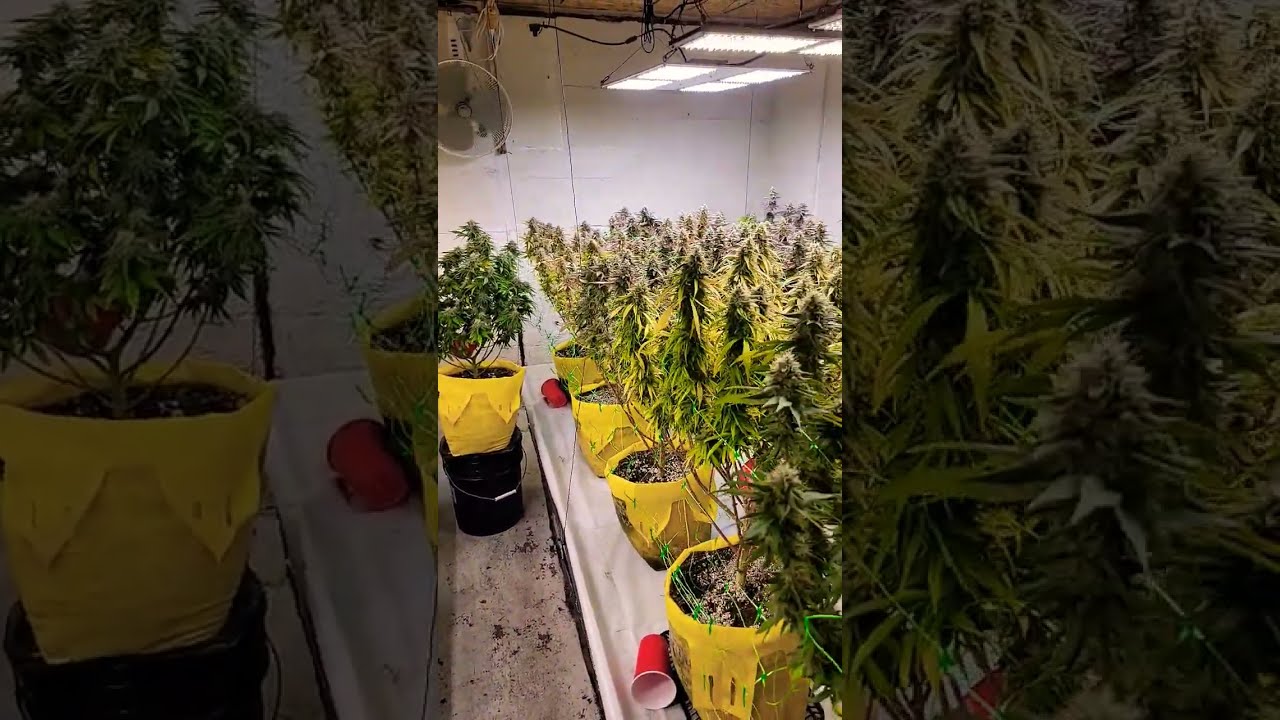
Strategically, companies must decide where to compete. Vertical integration reduces exposure to spot market volatility but raises capital needs and managerial complexity. Contract farming and long-term supply agreements lower capital commitment but require strong quality assurance and relationship management.
For an individual farmer or new entrant, the pragmatic approach is to align with a clear buyer before investing heavily. For processors, invest in robust testing and traceability early to avoid costly product recalls and to access premium markets. For brands, transparent sourcing stories and verifiable certificates of analysis differentiate products for consumers and retailers.
closing observation
The hemp supply chain rewards attention to detail. Small agronomic choices can swing extract yields by double-digit percentages. A reliable testing and traceability backbone converts biological variability into manageable risk. Those who build relationships across the chain, from seed breeders through final product formulators, capture the most value and weather the inevitable regulatory shifts.